Now Reading: Earth Day: Small Choices, Big Impact for a Healthier You and a Healthier Planet
-
01
Earth Day: Small Choices, Big Impact for a Healthier You and a Healthier Planet

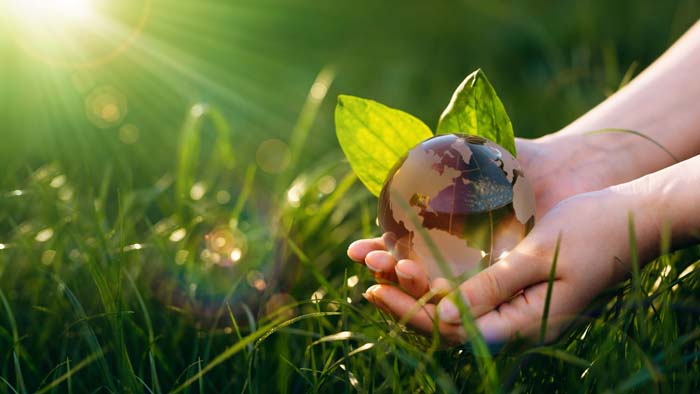
Every year on April 22, Earth Day shows up as a gentle but persistent reminder: the way we live shapes the world we live in. It’s easy to think of it as a global issue, something for policymakers, scientists, or environmental activists. But the truth is much closer to home. The health of the planet and your personal health are deeply connected, woven together in ways that show up in your daily routines, your meals, your air, your stress levels, even your sense of purpose.
For the Good Day Good Health community, Earth Day is not just about saving the planet. It’s about living better, feeling better, and creating a lifestyle that supports both personal wellness and the world around you.
Let’s talk about how that actually looks in real life.
The Hidden Connection Between Environmental Health and Personal Health
Start with something simple: the air you breathe.
Air pollution has been linked to respiratory conditions, heart disease, fatigue, and even cognitive decline. When the environment suffers, your body often feels it first. The same goes for water quality, soil health, and food production. The cleaner and more balanced the ecosystem, the more nourishing your environment becomes.
But there’s another layer that often gets overlooked. Living in alignment with the Earth, spending time outdoors, reducing waste, and making intentional choices can lower stress, increase mindfulness, and improve overall mental health. There’s something grounding about knowing your lifestyle contributes to something bigger than yourself.
This is where Earth Day shifts from being a concept to becoming a lifestyle.
Earth Day Isn’t About Perfection
Let’s get this out of the way early. You don’t have to become zero-waste overnight. You don’t need to install solar panels tomorrow or start growing all your own food.
The real power is in consistent, small decisions.
If you’ve ever felt overwhelmed by sustainability messaging, you’re not alone. The goal is not perfection. The goal is progress. And progress, done consistently, creates real impact.
Think of it the same way you approach fitness or nutrition. You don’t get healthy from one perfect meal or one workout. You get healthy from habits that stack over time.
The same principle applies here.
Start With Your Home: Your First Wellness Environment
Your home is the easiest place to begin making Earth-friendly changes, and it’s also where you’ll feel the benefits the fastest.
1. Clean Products, Cleaner Living
Many household cleaning products contain chemicals that can affect indoor air quality and irritate the skin or lungs. Switching to more natural or non-toxic alternatives reduces your exposure while also being gentler on the environment.
Even simple swaps, like using vinegar-based cleaners or fragrance-free products, can make a noticeable difference.
2. Reduce Plastic Without Overthinking It
Plastic reduction sounds like a big task, but it often starts with just a few swaps:
- Reusable water bottles
- Cloth grocery bags
- Glass food storage containers
Each one reduces waste and often improves your daily routine. For example, drinking more water becomes easier when you always have a bottle nearby.
3. Energy Awareness
You don’t need a complete home overhaul to use less energy. Start with habits:
- Turn off lights when leaving a room
- Unplug devices that aren’t in use
- Use natural light when possible
It sounds simple, but these small actions add up over time, both environmentally and financially.
Eat in a Way That Supports You and the Planet
Food is one of the most powerful ways to connect personal health with environmental impact.
1. Choose Whole, Minimally Processed Foods
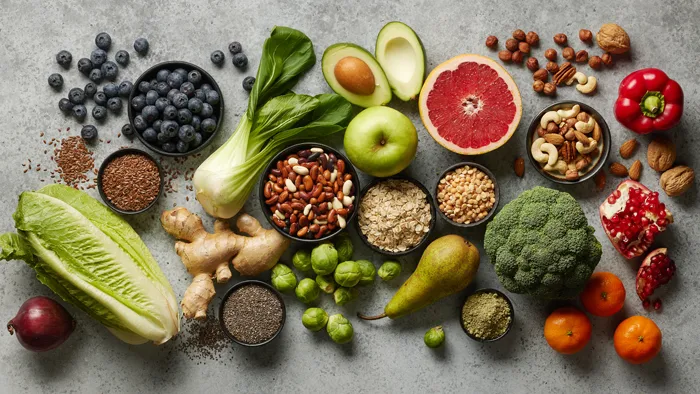
Fresh fruits, vegetables, grains, and lean proteins tend to have a lower environmental footprint compared to heavily processed foods. At the same time, they support better digestion, energy levels, and long-term health.
2. Be Mindful of Food Waste
A significant amount of food gets thrown away every day. Reducing waste doesn’t require drastic changes:
- Plan meals ahead of time
- Store food properly
- Use leftovers creatively
This not only helps the planet but also saves money and simplifies your routine.
3. Support Local When You Can
Buying from local farmers or markets reduces transportation impact and often gives you fresher, more nutrient-rich food. It also strengthens your community, which plays a big role in overall well-being.
Move Your Body Outdoors
Exercise is already a pillar of good health. Taking it outside adds another layer of benefit.
Walking, jogging, cycling, or even stretching in a park exposes you to fresh air, natural light, and a change of scenery. Studies have shown that outdoor activity can reduce stress and improve mood more than indoor workouts alone.
This Earth Day, consider taking your routine outside:
- A morning walk instead of the treadmill
- A family hike instead of screen time
- A workout in the backyard or local park
You’re not just exercising. You’re reconnecting.
Mental Health, Purpose, and the Bigger Picture
There’s something powerful about aligning your daily actions with a larger purpose.
When you make choices that support the environment, it often creates a sense of contribution and responsibility. That feeling can boost motivation, reduce anxiety, and improve overall mental well-being.
In a world that often feels fast-paced and disconnected, Earth Day offers a chance to slow down and ask a simple question:
“What kind of world am I helping create?”
That question alone can reshape habits.
Involve the Family: Make It a Lifestyle, Not a Lesson
If you have a family, Earth Day becomes an opportunity to create shared experiences.
Kids, especially, respond well to action over instruction. Instead of just talking about sustainability, bring it to life:
- Plant something together, even if it’s small
- Start a recycling routine
- Cook a healthy meal as a team
- Take a walk and talk about what you see in nature
These moments build awareness without pressure. They also create memories that stick.
Community Impact: Small Circles Create Big Change
Your individual choices matter, but your influence multiplies when it spreads.
When you share your habits, your routines, or even your challenges, you inspire others to think differently. This doesn’t require a massive platform. It can happen through conversations, social media, or simply leading by example.
Good Day Good Health is built on this exact principle. Real people making real changes, supporting each other along the way.
A Simple Earth Day Challenge
If you’re not sure where to start, try this:
Pick one habit today that supports both your health and the environment.
Just one.
It could be:
- Drinking more water and skipping plastic bottles
- Taking a 20-minute walk outside
- Cooking a fresh, healthy meal
- Swapping out one household product for a cleaner option
Then repeat it tomorrow.
And the next day.
Consistency is where transformation happens.
Final Thoughts: A Better Planet Starts With Better Days
Earth Day is not about doing everything. It’s about doing something, and doing it with intention.
When you take care of your body, you’re already taking a step toward a healthier planet. When you take care of the planet, you’re creating an environment that supports your health in return.
It’s a cycle. A powerful one.
So today, take a look at your routines, your habits, your environment. Not with pressure, but with curiosity.
Because a good day for the Earth can also be a good day for your health.
And that’s where real change begins.