
Popular Items This Week this week
Every week you can find the best discounts here.

GDGH Champion Unisex Premium Pullover Hoodie

“Warrior” Breast Cancer Awareness Unisex Hoodie

“Survivor” Breast Cancer Awareness Hoodie

“Survivor” Breast Cancer Awareness Crew Neck Sweatshirt

“Warrior” Breast Cancer Awareness Sweatshirt

“Save The Ta-Tas” Breast Cancer Awareness Crew Neck Sweatshirt




Which supplements are best for your situation
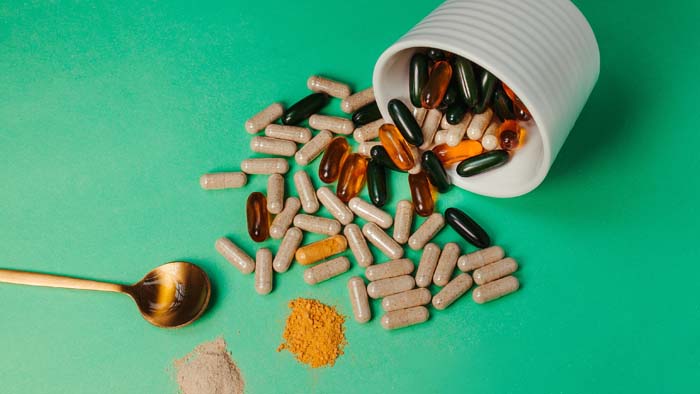
Donec rhoncus quis diam sit amet faucibus. Vivamus pellentesque, sem sed convallis ultricies, ante eros A Personalized Guide to Smarter Supplement Choices
Walk down any vitamin aisle or scroll through a wellness website and you’ll find hundreds—if not thousands—of supplements claiming to boost energy, burn fat, build muscle, sharpen focus, or “cleanse” your system. It’s overwhelming, and let’s be honest—confusing.
At Good Day, Good Health, we believe supplements can play a valuable role in supporting your wellness journey—when used the right way and for the right reasons. So, how do you know what you really need?
Here’s a helpful breakdown to guide you toward smarter, more intentional supplement choices—based on your lifestyle, goals, and health needs.
First, Know This:
Supplements are not magic pills.
They’re meant to support—not replace—healthy habits like good nutrition, movement, sleep, and stress management. You should always talk to your healthcare provider before starting new supplements, especially if you take medications or have chronic conditions.
With that said, let’s dive into which supplements may be best based on your situation.
1. If You Struggle with Fatigue or Low Energy…
Consider:
- Vitamin B12: Supports red blood cell production and energy metabolism. Especially helpful if you’re plant-based or over 50.
- Iron (if deficient): Low iron = low oxygen delivery = low energy.
- CoQ10: Supports mitochondrial function (your body’s energy factories).
- Adaptogens like Ashwagandha or Rhodiola: Help regulate stress and improve stamina.
💡 Pro Tip: Low energy can also be caused by poor sleep, dehydration, or thyroid imbalances—check with your doctor before loading up on energy boosters.
2. If You Have Trouble Sleeping or Unwinding…
Consider:
- Magnesium Glycinate: Supports muscle relaxation and nervous system calm.
- Melatonin (low dose): Helps regulate your sleep-wake cycle.
- L-Theanine: An amino acid that promotes relaxation without drowsiness.
- Chamomile or Valerian Root (in tea or capsule): Gentle herbal sedatives.
💡 Pro Tip: Supplements work best when paired with screen-free wind-down time and a consistent sleep routine.
3. If You’re Focused on Fitness & Muscle Recovery…
Consider:
- Protein Powder (whey, plant-based, or collagen): Helps repair and build muscle after workouts.
- Creatine Monohydrate: One of the most studied supplements for improving strength and performance.
- Branched-Chain Amino Acids (BCAAs): May reduce muscle soreness and support endurance.
- Electrolytes: Replenish sodium, potassium, and magnesium lost through sweat.
💡 Pro Tip: Don’t overlook hydration—water is just as important as your post-workout shake.
4. If You Want to Boost Your Immune System…
Consider:
- Vitamin C: A classic antioxidant that supports immune defense.
- Vitamin D3: Helps regulate immune response and is often low in many people.
- Zinc: Crucial for immune function, but don’t overdo it—too much can upset your stomach.
- Elderberry or Echinacea (short-term use): Herbal remedies often used during cold and flu season.
💡 Pro Tip: A strong immune system starts with quality sleep, whole foods, and regular movement.
5. If You’re Managing Stress or Anxiety…
Consider:
- Magnesium (again—it’s a multitasker): Supports the nervous system and calms the mind.
- Ashwagandha: An adaptogen that may lower cortisol and promote balance.
- Omega-3 Fatty Acids (Fish Oil or Algae Oil): Supports mood and brain health.
- L-Theanine + Green Tea Extract: Helps with focus and calm during high-stress periods.
💡 Pro Tip: Mindfulness, movement, and deep breathing are natural “supplements” that go a long way.
6. If You’re Focused on Gut Health or Digestion…
Consider:
- Probiotics: Support gut microbiome balance. Choose a formula with multiple strains.
- Digestive Enzymes: Help break down proteins, carbs, and fats—especially helpful for bloating or post-meal discomfort.
- Fiber (like psyllium husk or inulin): Supports regularity and feeds healthy gut bacteria.
- L-Glutamine: May help repair gut lining in those with sensitivities or GI issues.
💡 Pro Tip: Whole, high-fiber foods are the foundation. Supplements help fill in the gaps.
7. If You’re 50+ and Focused on Longevity & Joint Health…
Consider:
- Calcium + Vitamin D3: Bone health heroes, especially for women post-menopause.
- Turmeric/Curcumin: Natural anti-inflammatory that supports joints and brain health.
- Glucosamine + Chondroitin: May help with joint pain and flexibility.
- CoQ10 or PQQ: Supports heart health and cell energy production.
💡 Pro Tip: Movement is medicine—joint-friendly workouts like swimming or yoga pair well with these supplements.
A Few More Tips for Supplement Success
- Quality matters: Look for third-party tested brands (USP, NSF, GMP-certified). Cheaper isn’t always better.
- Read the label: Check for filler ingredients, dosages, and unnecessary additives.
- Track your results: Journaling how you feel can help you identify what’s really working.
🛍️ Coming Soon to the Good Day, Good Health Store…
Stay tuned for our upcoming Supplement Spotlight Series, where we’ll feature products we trust, including natural supplements, plant-based options, and tools to help you stay consistent on your wellness journey.
🧡 Final Thoughts
There’s no one-size-fits-all when it comes to supplements. The best choice is the one that fits your body, your goals, and your lifestyle. Use them wisely, stay curious, and always focus on the basics: real food, regular movement, restful sleep, and mindful living.
Because good health isn’t just a destination—it’s a daily practice.