Now Reading: World AIDS Day: Awareness, Hope, and Community
-
01
World AIDS Day: Awareness, Hope, and Community

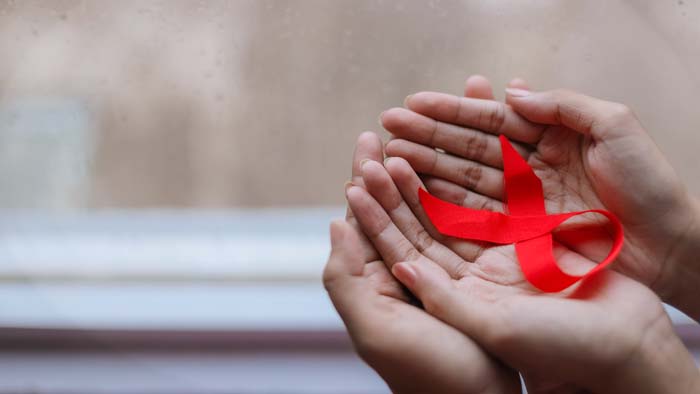
Every year on December 1, the world pauses for a moment of reflection to remember the millions of lives impacted by HIV/AIDS, and to recommit ourselves to awareness, education, compassion, and action. At Good Day Good Health, we believe in lifting the conversations that matter, the ones that help individuals and families build stronger, healthier, more connected lives. World AIDS Day is one of those moments.
Because the truth is simple: HIV is still here, but so is hope. So is progress. And so is the collective power we have to protect our communities and support those living with the virus.
Why World AIDS Day Still Matters
HIV/AIDS is no longer the death sentence it once was. With modern medicine, early testing, and consistent care, people living with HIV can have healthy, full lives — careers, families, love, and longevity. But even with progress, challenges remain.
- Many people still lack access to testing or feel afraid of the stigma surrounding it.
- HIV disproportionately affects marginalized communities — especially Black and Brown communities, LGBTQ+ individuals, and young adults.
- Stigma, misinformation, and silence continue to do damage long after the science has advanced.
World AIDS Day creates space to break through those barriers. It reminds us that awareness saves lives, compassion builds bridges, and information protects entire communities.
A Look at the Progress We’ve Made
One of the most powerful shifts in recent decades is the ability to treat HIV effectively. Because of antiretroviral therapy:
- HIV can be suppressed to an undetectable level, meaning it cannot be transmitted sexually. (You may have seen this referred to as U=U — Undetectable = Untransmittable.)
- People with HIV can live long, vibrant lives.
- Prevention options like PrEP (a daily pill or long-acting injection) reduce the risk of contracting HIV by up to 99%.
This is the kind of progress that changes the world — but only if people know about it, talk about it, and have access to it.
Breaking the Stigma: Conversation Is Prevention
At GDGH, we always remind our community: health is more than physical. How we talk about things matters.
Stigma creates silence. Silence creates fear. And fear stops people from getting tested, seeking treatment, or asking questions.
Talking openly about HIV:
- Encourages more people to get tested
- Normalizes prevention
- Helps families support each other
- Protects young people who are still learning about sexual health
- Reduces shame for those who are living with HIV
If we want healthier communities, the conversation has to stay alive.
Getting Tested: Knowledge Is Power
Testing isn’t about fear — it’s about empowerment.
HIV is treatable. But you can’t treat what you don’t know about.
Most people with HIV feel fine early on. That’s why routine testing is recommended for:
- Anyone sexually active
- Anyone with new partners
- People who share needles
- Pregnant individuals (to protect both the parent and the baby)
- LGBTQ+ communities
- Black and Latino communities, who are often disproportionately affected by HIV
Testing is fast. Confidential. Often free. And it provides clarity, peace of mind, and access to care if needed.
Prevention Tools Everyone Should Know
Today, individuals and families have more options for protection than ever:
PrEP
A daily medication or long-acting injection that reduces the risk of HIV transmission by up to 99%.
PEP
Post-exposure preventive medication taken within 72 hours of possible exposure — such as a broken condom, sexual assault, or sharing needles.
Condoms
Still one of the best tools for preventing HIV and other STIs.
Regular Testing
Especially for anyone with multiple partners.
U=U Education
People living with HIV who take medication consistently and become undetectable cannot transmit the virus sexually.
Knowledge and consistency save lives.
Supporting Loved Ones Living With HIV
Support is more than medical care. It’s compassion. Understanding. Respect.
Here’s what support looks like in real life:
- Listening without judgment
- Learning about HIV instead of assuming
- Encouraging treatment, not policing
- Making space for emotional needs
- Standing up against stigma and misinformation
- Celebrating milestones and victories
Someone living with HIV doesn’t need pity — they need community, honesty, and the freedom to live without being defined by a diagnosis.
The Work Ahead: Community Responsibility
World AIDS Day isn’t just about remembering the past — it’s about shaping the future.
We still have work to do:
- Increasing access to care in underserved communities
- Making testing more accessible and routine
- Getting accurate education into schools
- Encouraging open dialogue in families and faith communities
- Fighting stigma wherever it shows up
- Supporting survivors and honoring those lost
And yes — celebrating progress along the way.
Resources You Can Use (and Share)
Here are trusted places to learn more, get support, or access services:
- CDC HIV Resources: cdc.gov/hiv
- HIV.gov: hiv.gov
- Planned Parenthood: plannedparenthood.org
- TheBody.com: reliable information for people living with HIV
- Local health departments: offer free or low-cost testing
- Black AIDS Institute: blackaids.org
- The Trevor Project (for LGBTQ+ youth): thetrevorproject.org
Bookmark them. Share them. Someone in your circle might need this information — even if they haven’t said a word.
Final Thoughts: Hope Is the Heartbeat of World AIDS Day
At Good Day Good Health, our mission is to help people live fuller, healthier, more empowered lives. World AIDS Day reminds us that health isn’t just about our bodies — it’s about education, prevention, compassion, and community.
HIV doesn’t have to win. Shame doesn’t have to win. Stigma doesn’t have to win.
Knowledge wins. Conversation wins. Support wins. Community wins.
Today, we honor the past, uplift the present, and fight for a future where every person — no matter their status — can live with dignity, hope, and health.
If even one person reads this and chooses to get tested, seek treatment, learn something new, or show compassion to someone living with HIV, then World AIDS Day has done its job.
And so have we.